Spike
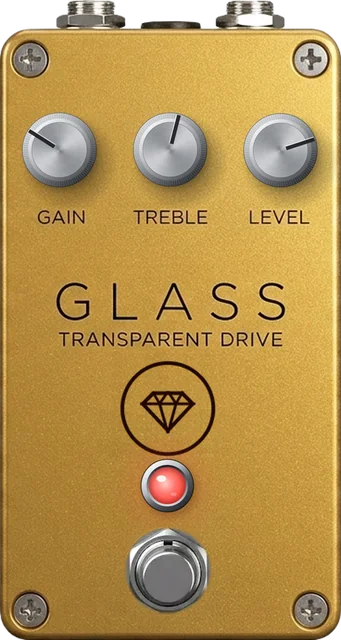
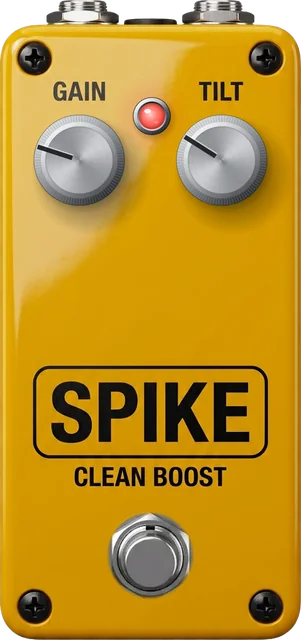
Turns up the volume without changing your tone. In front of the LEAD, the amp saturates more and tightens up; in front of the CLEAN, it makes it break up. With Tilt for more sparkle or more body.
- Gain
- Tilt
The pedalboard
Five slots in front of the amp and five after it. The ones that push the amp go in front; the ambience goes after the cabinet, where the distortion can't muddy it. Pick yours, put them in any order and turn the knobs.
In front of the amp. The ones that push and dirty things up: from a clean nudge to the fattest fuzz.
Turns up the volume without changing your tone. In front of the LEAD, the amp saturates more and tightens up; in front of the CLEAN, it makes it break up. With Tilt for more sparkle or more body.
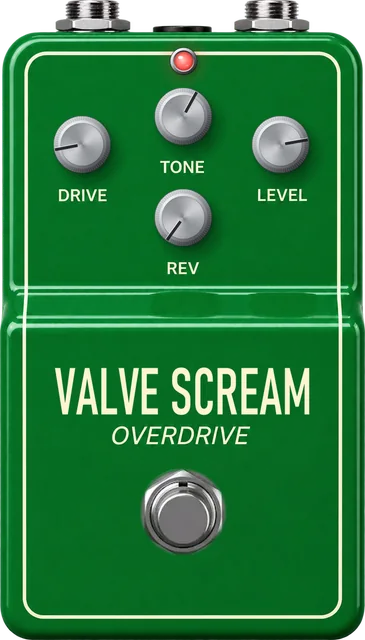
The green overdrive everyone knows: mids up front and a clean low end. In front of a gainy amp it tightens palm mutes and makes solos sing. Includes both versions of the circuit.
A drive that doesn't swallow your guitar: it blends your clean signal with gentle saturation and adds body. Perfect for a crunch that opens up when you dig in.
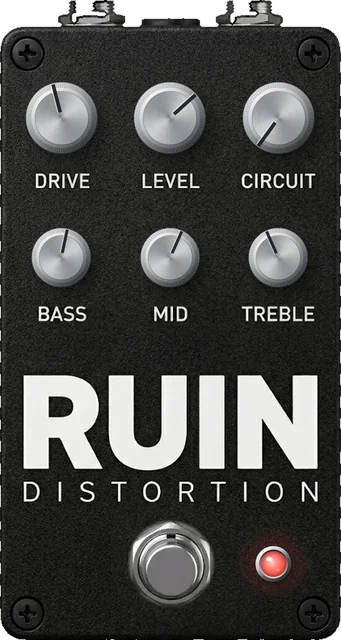
Pedal distortion with two circuits: a gritty, mid-heavy one straight out of the eighties, and a brighter one with scooped mids. With bass, mid and treble to dial it in.
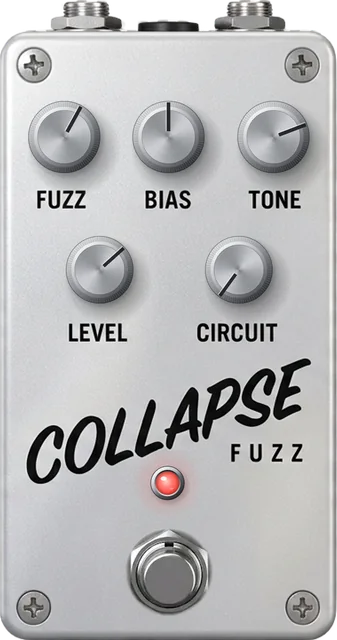
Two fuzzes in one: the sixties two-transistor fuzz that cleans up when you roll back your volume, and the four-stage wall of sound, fat and with endless sustain. Bias to make it sputter.
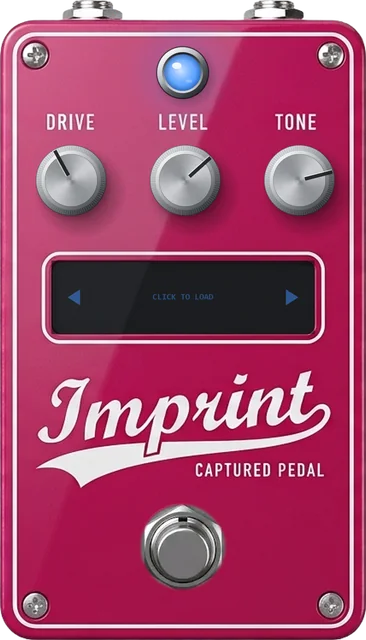
Load the NAM capture of your favorite pedal and use it like any other pedal on the board, with its own Drive, Tone and Level.
In front of the amp. Control how your guitar responds: more sustain, less noise.
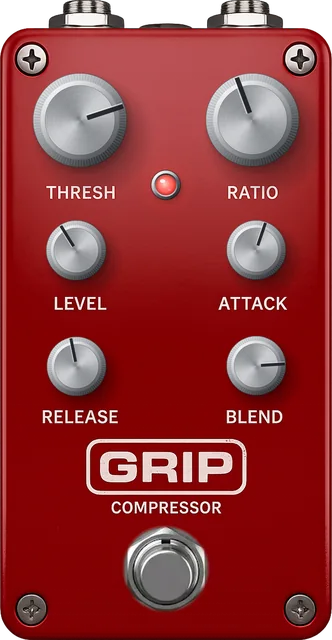
Optical compressor: evens out your notes, stretches the sustain and makes funk and country pop. With Blend to mix in your uncompressed signal and keep the attack.
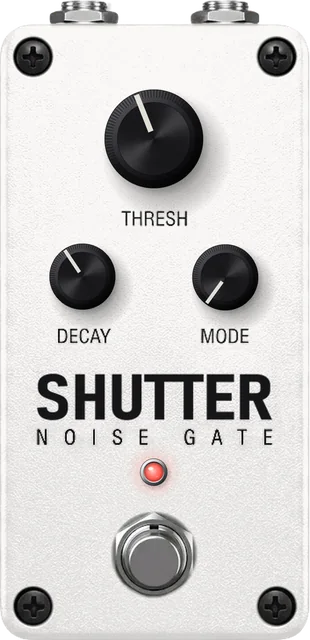
Kills the hum between riffs without eating your notes. A must for high gain and tight stops. Two modes: fast or smooth.
In front of the amp. The sound that talks: the classic wah and the one that moves with your pick.
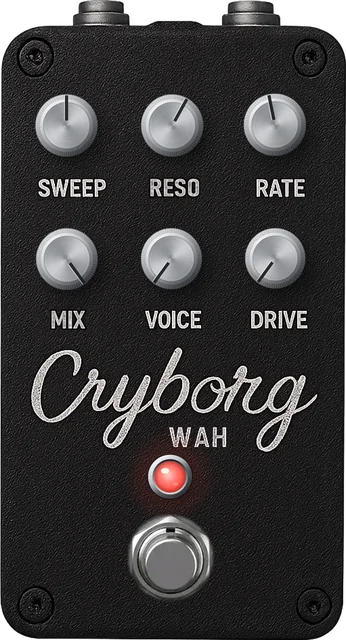
The inductor wah with its two classic voices, American and British. Rock it yourself or let it sweep on its own at any speed you like.
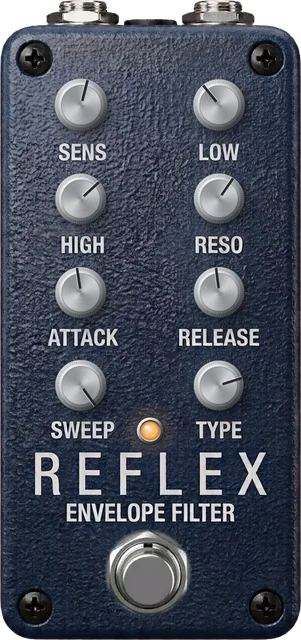
The filter that follows your pick: the harder you play, the more it opens. Sweeping up or down, with five filter types. Pure funk.
In front of the amp. Change your tuning, add octaves or a second voice.
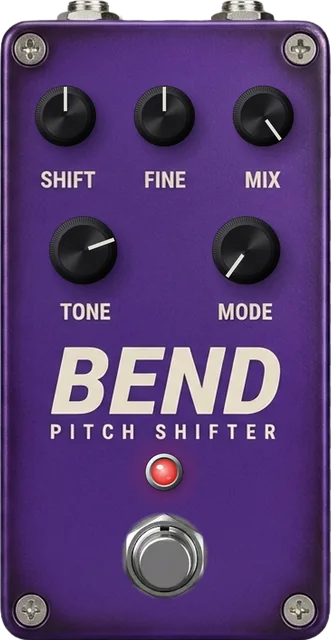
Shifts your whole guitar down or up, chords included, by up to an octave. Half a step down, a whole step or more, without touching the tuning pegs. Tight mode for riffs and Smooth for chords.
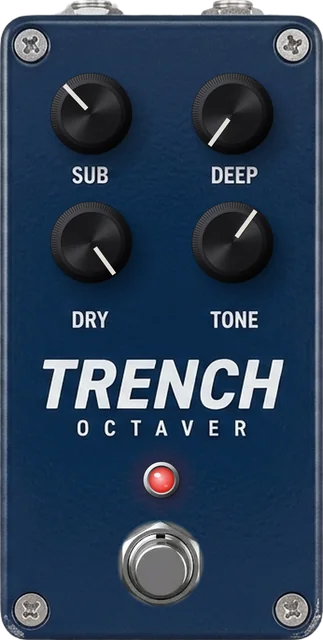
One and two octaves down, tracking every note without losing your guitar's character. Fattens up riffs or turns your guitar into a bass.
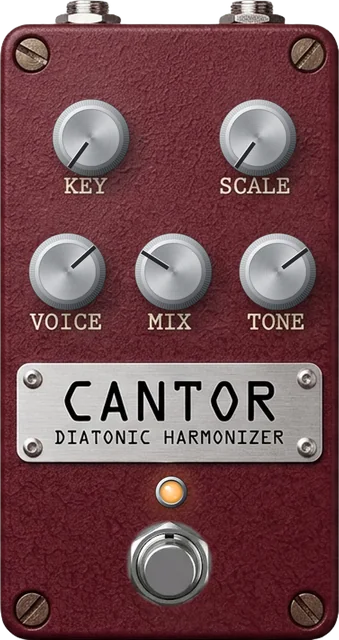
Doubles your melody in thirds, fifths or octaves, always inside the key and scale you choose. Twin-guitar solos with just one guitar.
After the amp. Movement: from subtle chorus to psychedelic swirl.
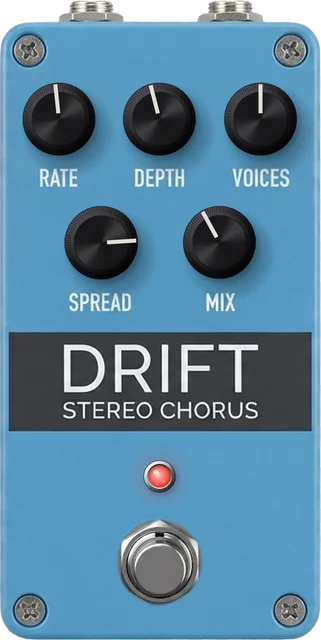
Stereo chorus with up to four voices: from the subtle shimmer of the eighties to a clean tone that floats from side to side.
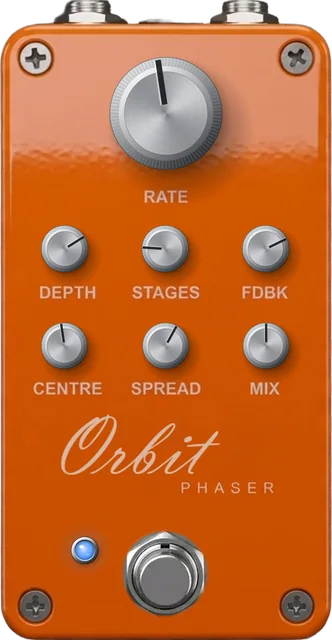
From the gentle swirl of the classic orange phaser to deep sweeps with more stages and feedback.
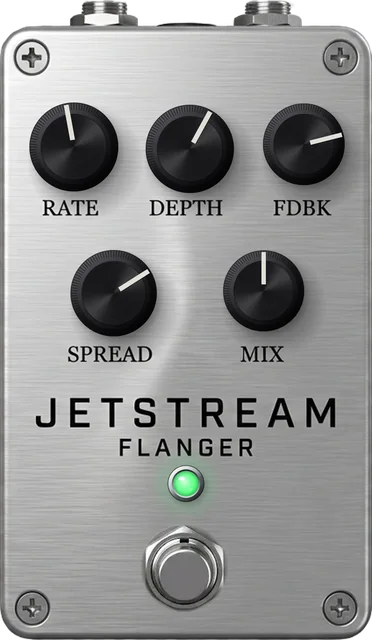
The jet taking off: a flanger with feedback for metallic sweeps, spread wide in stereo.
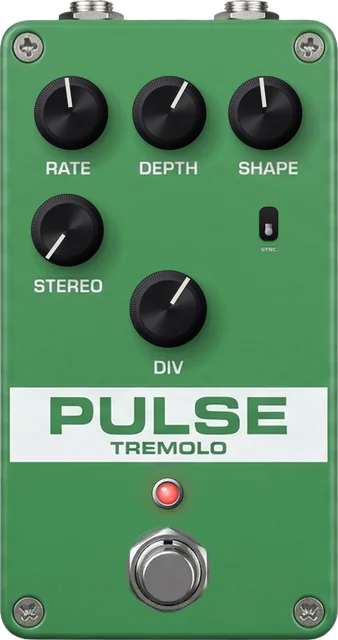
The tremolo of vintage amps: from a soft wave to a hard chop, synced to your song's tempo.
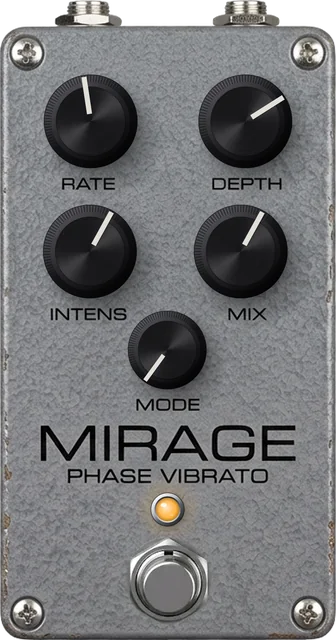
The psychedelic throb of the late sixties, in chorus or vibrato mode. The sound of slow solos and rock ballads.
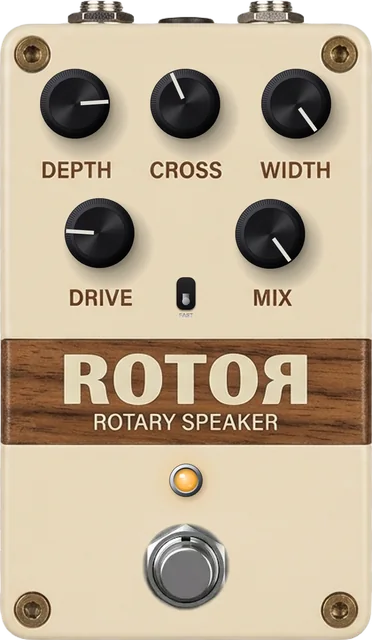
The organ's rotating speaker, with its two speeds and its own drive to dirty it up.
After the amp. Delays and reverbs, to give every note some room.
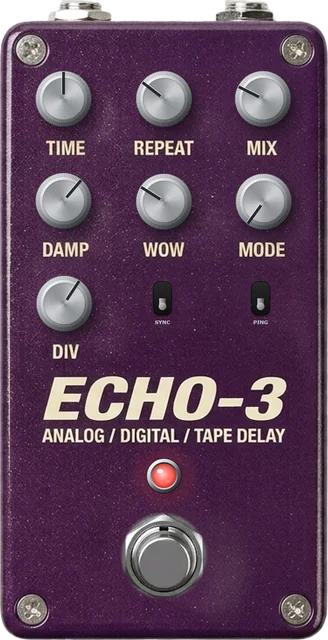
Three delays in one: clean digital, warm analog, or tape with its wobble. Syncs to tempo and can bounce from side to side.
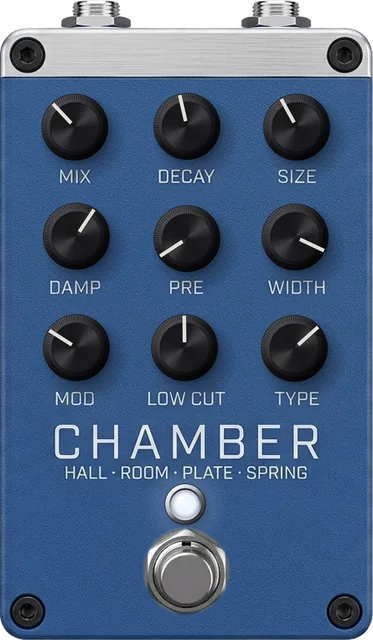
Room, hall, plate or spring: from ambience you barely notice to full-on surf reverb.
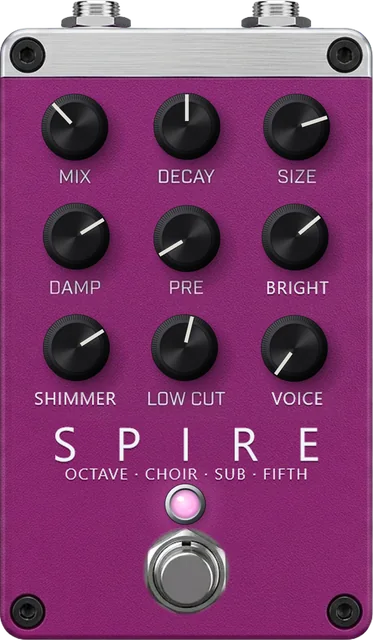
A reverb that climbs an octave on every pass: trails that glow like a choir. Also in choir mode, an octave down or a fifth. For ambient and epic moments.
After the amp. To polish your final tone so it sits right in the mix.
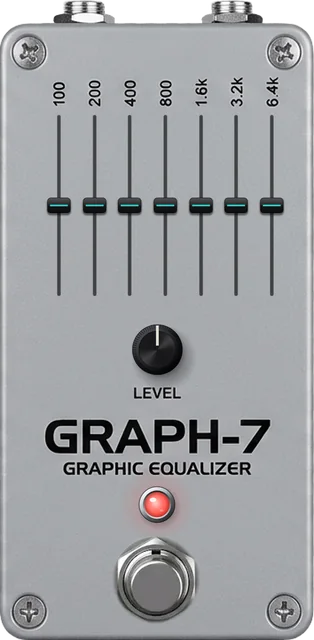
Seven bands you can read at a glance. Boost the mids for the solo, clean the mud out of the low end, shape the curve to taste.
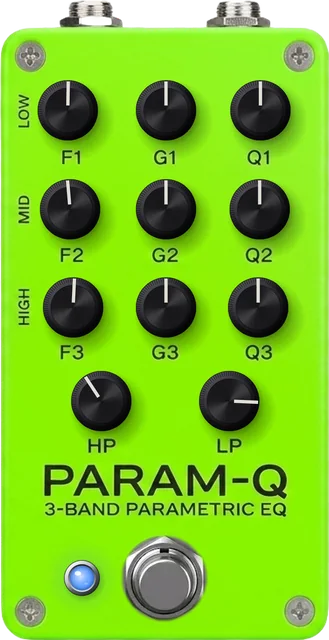
Three bands to find exactly the frequency that bugs you or the one that's missing, plus low and high cuts to tidy up the extremes.
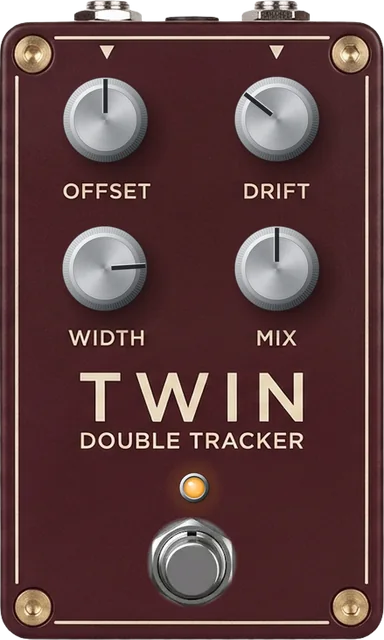
Sounds like a second guitar recorded separately: your tone opens up in stereo like on records, without tracking it twice.
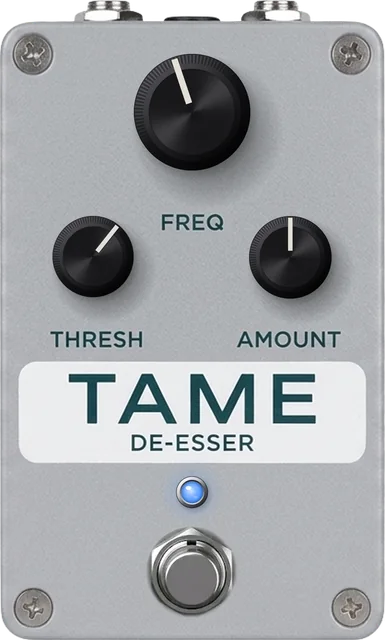
Takes the grit and fizz out of the highs of your distorted tone, without dulling it.
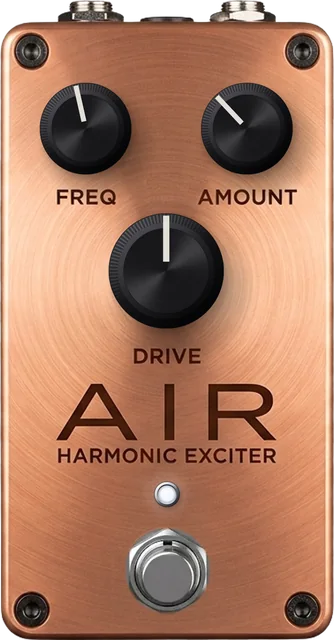
Brings sparkle and air back to a dull tone, without making it shrill.
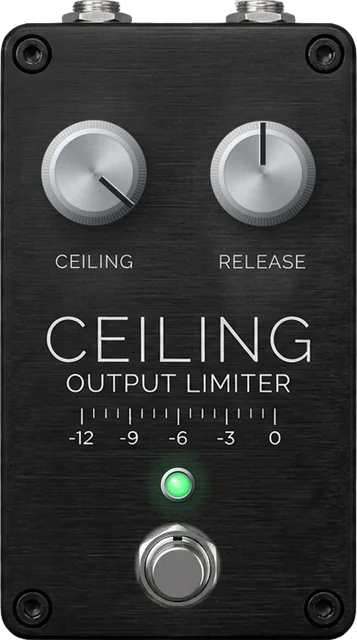
The last one in the chain: it catches the peaks so you never clip your interface or your recording.
All 28 come with the free version
Every pedal, both amp channels and both cabinets, without paying a cent and with no expiry date.
Valvex runs as a standalone app, with ASIO® for low-latency playing, and as a VST3 plugin inside your DAW. ASIO is a registered trademark of Steinberg Media Technologies GmbH.